Local guide
Old mine workings and house cracks in Huddersfield
Ground beneath Huddersfield was worked for coal and stone over many decades. Find out what records exist, how a specialist considers the ground below your home, and whether old workings explain the cracking you have noticed.
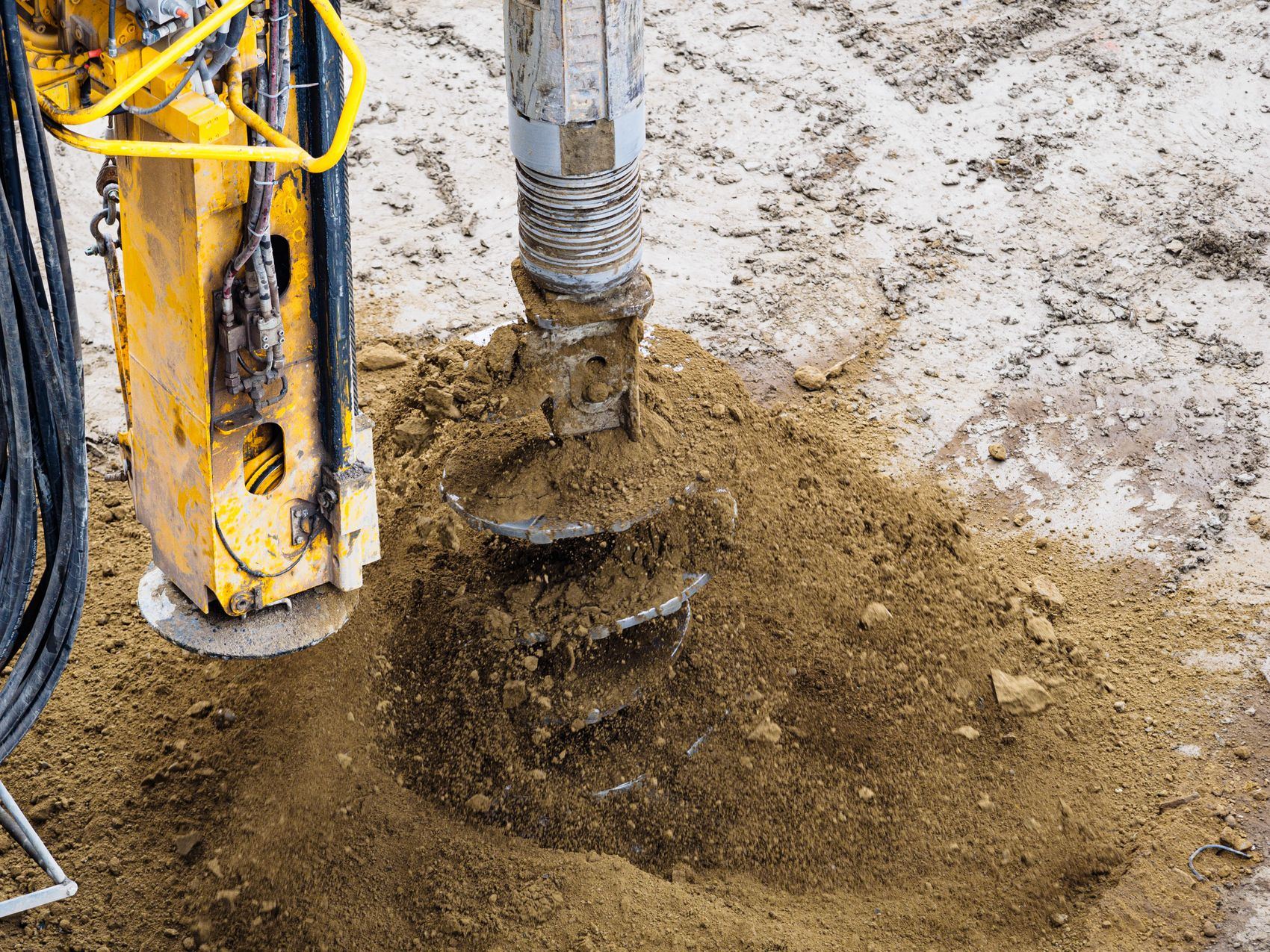
What lies beneath Huddersfield homes
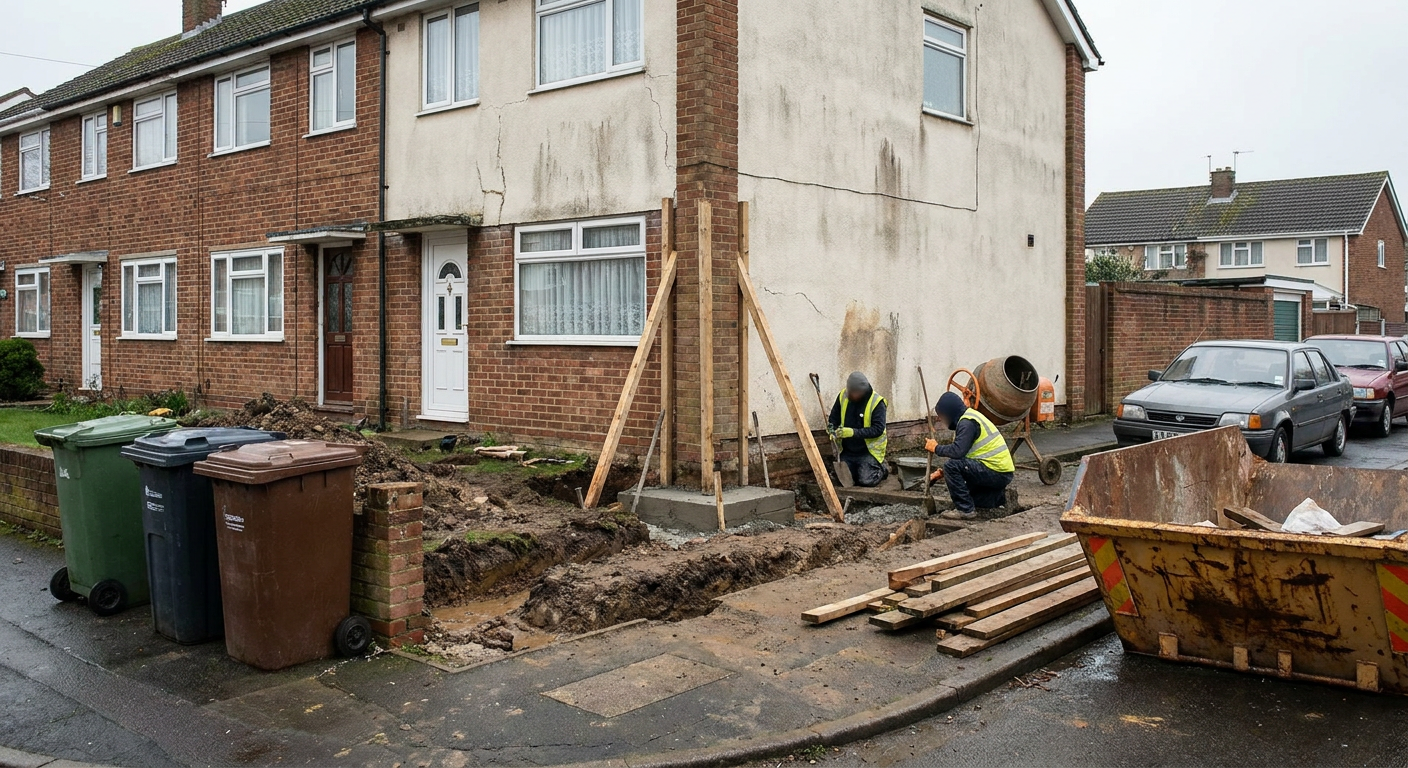
Coal, stone and the ground under your home
Huddersfield sits on land that was mined extensively for coal and millstone grit. Many streets were built directly above tunnels and shafts dug long before modern planning rules existed. When someone notices old mine workings house cracks appearing in their brickwork, the first question is usually whether the ground below has shifted because of those historic excavations.
A subsidence survey looks at the pattern of movement, the type of soil and the depth of any known voids. The specialist firm checks whether the foundations sit on solid rock or on material disturbed by past extraction. Sometimes the answer is straightforward. Other times the cause involves several factors acting together, such as clay shrinkage combined with shallow quarry backfill ground movement.
If you are asking whether your house is over coal workings, the starting point is the geological record. The Coal Authority holds data on most recorded mining activity across England. A coal mining search Huddersfield homeowners commission will show whether a shaft or tunnel passes near the footprint of the building. That report forms part of the evidence a structural engineer uses when deciding if further investigation is needed.
Reading the cracks left by old workings
Cracking caused by underground voids tends to follow specific patterns. Subsidence from a collapsing mine shaft often produces sudden, wide fractures rather than the fine hairline cracks associated with seasonal drying. You might notice doors sticking in frames that were previously square, or floors sloping towards one corner of a room.
A specialist compares these signs against other common causes. Clay soils shrink during dry summers and swell after heavy rain, producing cracks that open and close with the seasons. Tree roots extract moisture from the ground, causing localised settlement. Old quarry subsidence cracks can look similar but usually affect a wider area and do not respond to changes in weather.
Measuring a crack week by week helps establish whether movement is active or historic. Structural monitoring tracks this over months so the specialist firm can see the rate and direction of travel. That data determines whether the ground has settled or is still moving, which in turn dictates the repair method. Read more about what stepped cracking in brickwork means and how it differs from other damage patterns.
Records, reports and selling your home
Anyone buying or selling a house in Huddersfield will encounter the mining report for house sale transactions. Conveyancing solicitors order this document early in the process. It lists known shafts, adits and areas of recorded extraction within a set radius of the address. If the report flags a risk, the buyer may request a more detailed site investigation before proceeding.
The cost of a basic mining search is modest compared to the overall transaction. Whether you need one before selling depends on your buyer's lender. Most mortgage providers insist on it if the property falls within a former mining zone. Skipping it can delay completion or cause a lender to withdraw an offer entirely.
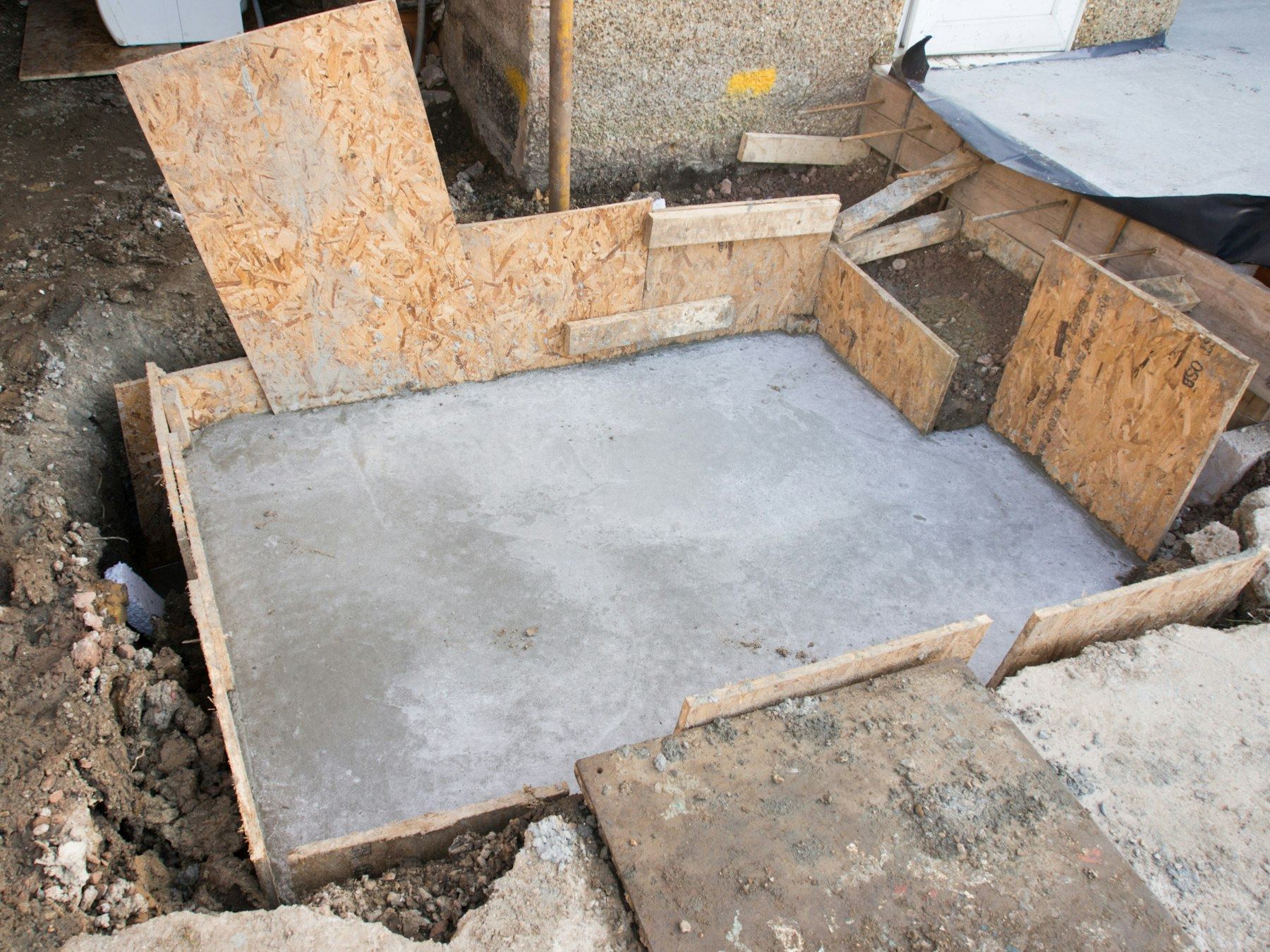
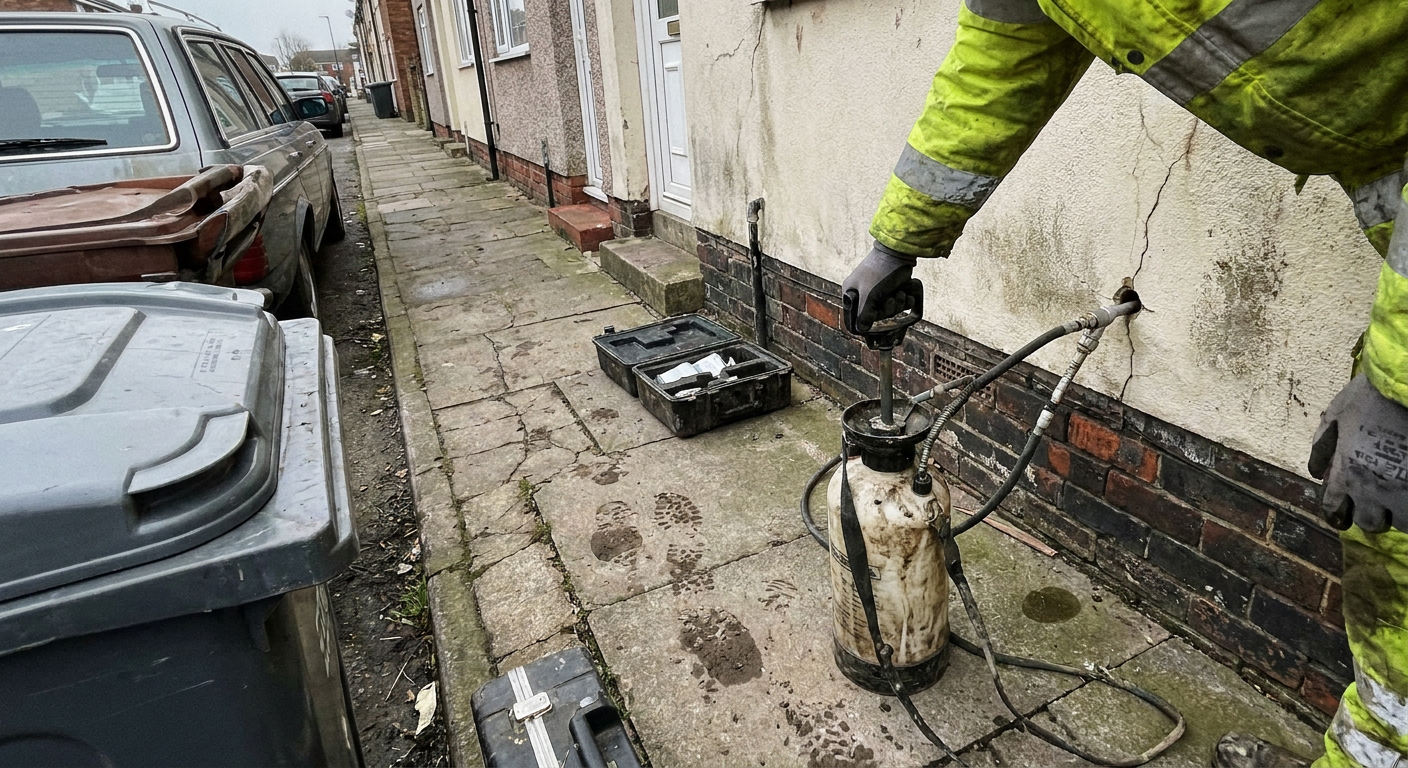
When workings are confirmed beneath a home, the specialist firm assesses the foundation depth and the condition of the ground. Options include mass concrete underpinning to transfer loads to stable strata, or mini piled underpinning where access is tight and deeper bearing is required. Resin injection ground stabilisation may be suitable where loose fill needs compacting without full excavation. Each method addresses a different ground condition, so the choice follows the survey findings rather than preference.
Signs that ground movement is affecting your home
Movement below a house shows itself in the walls, floors and openings. These are things you can observe yourself before a specialist visits to determine the cause.
- 1
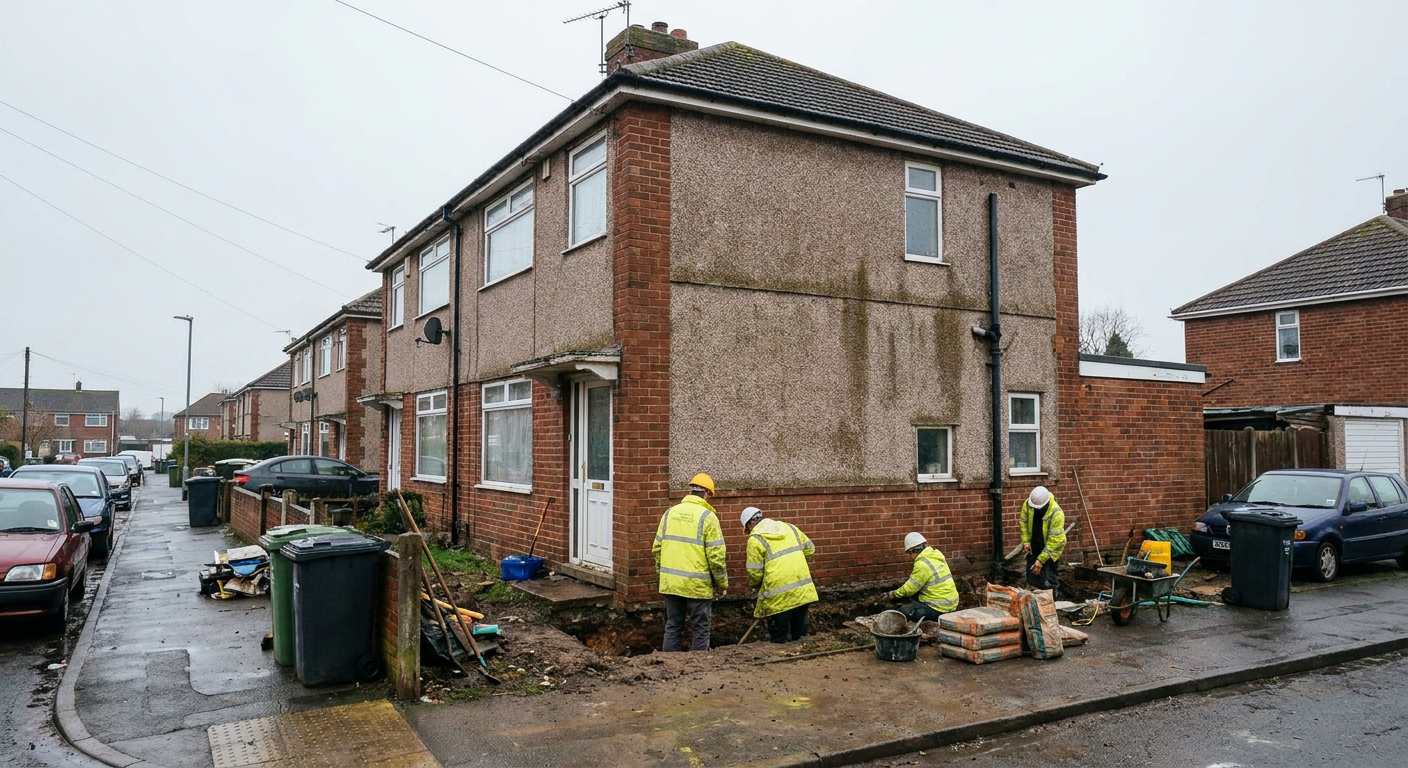
Stepped cracks in brickwork
Cracks following mortar joints in a staircase pattern often indicate differential settlement. They can appear suddenly or widen slowly over months.
- 2
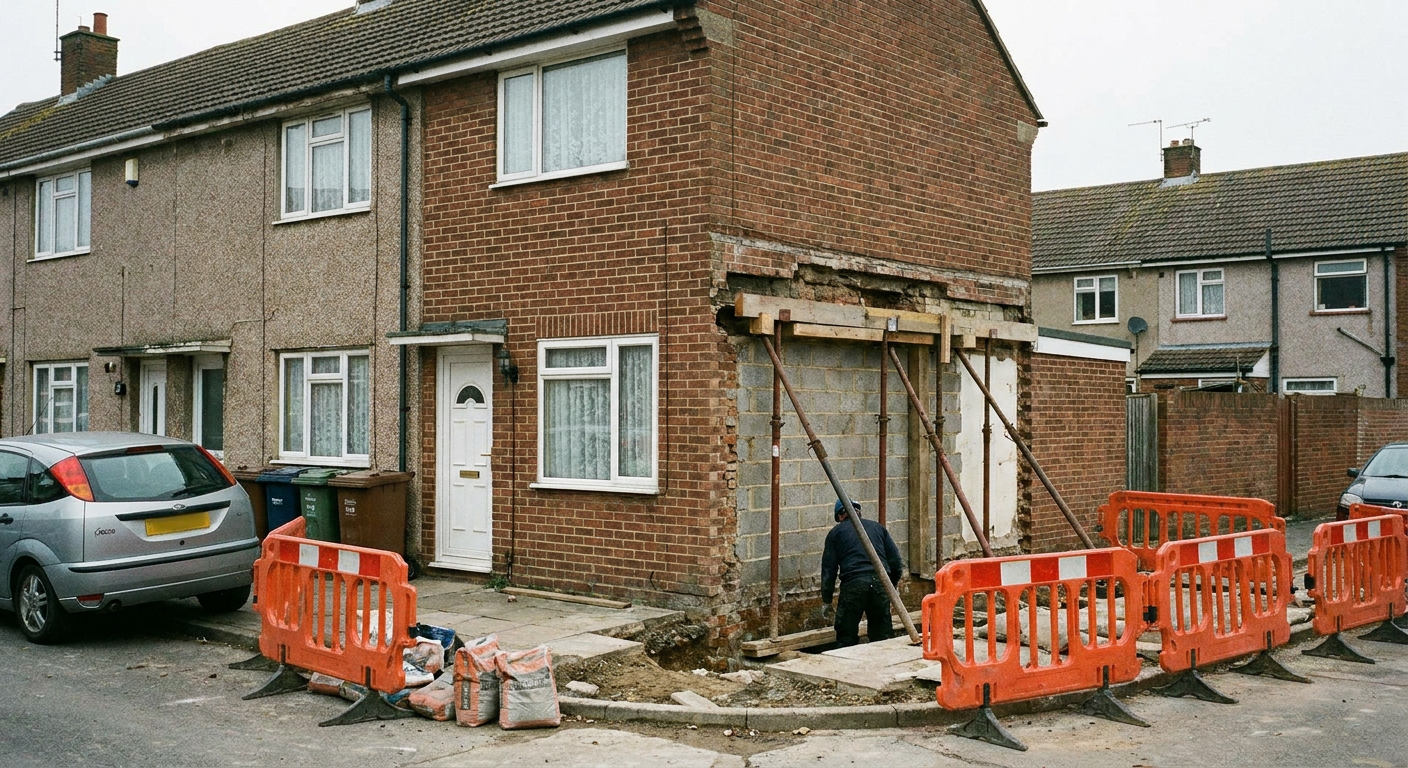
Doors catching on frames
A door that sticks or will not latch may mean the frame has distorted. Check whether the gap around the door is even on all sides.
- 3
Sloping upstairs floors
Place a marble on the floorboards. If it rolls consistently to one side, the joists or supporting walls below may have shifted.
- 4
Gaps around window sills
Separation between the sill and the wall suggests the opening has moved. Look for daylight entering where sealant has pulled away.
Questions about mining and subsidence
Could a mine shaft under my house cause back wall cracks?
Yes. A shaft or shallow tunnel collapsing below a foundation can pull that section of the wall downward. The resulting cracks tend to be wider at the top and concentrated near the affected corner.
Is mining cracking different from clay or tree damage?
Clay movement follows weather patterns and produces seasonal cracking. Tree root damage is usually localised near the trunk. Mining-related movement can occur at any time and often affects a larger portion of the structure.
Who pays if historic coal mining is to blame?
The Coal Authority handles claims where documented mining activity causes damage. Your buildings insurance covers subsidence regardless of cause, subject to your policy terms. Find out more about who pays for underpinning.
My street is near an old quarry. Should I worry?
Quarry edges and infilled pits can settle unevenly. If your home borders a former quarry, watch for new cracks or changes in existing ones. A survey clarifies whether the retaining wall or your foundations are affected.
Ask about the cracks in your home
Send details of what you have seen and where. A specialist firm reviews the information and advises whether a site visit is warranted. There is no obligation to proceed with any work.
- No obligation
- Local knowledge
- Clear next steps