How-to guide
Is my crack getting wider? How to measure a crack
A step-by-step method to monitor a crack at home. Find out what to mark, how to photograph it for scale, and how long to keep checking before the readings mean anything to a specialist.
Marking the wall so you can tell if it moves
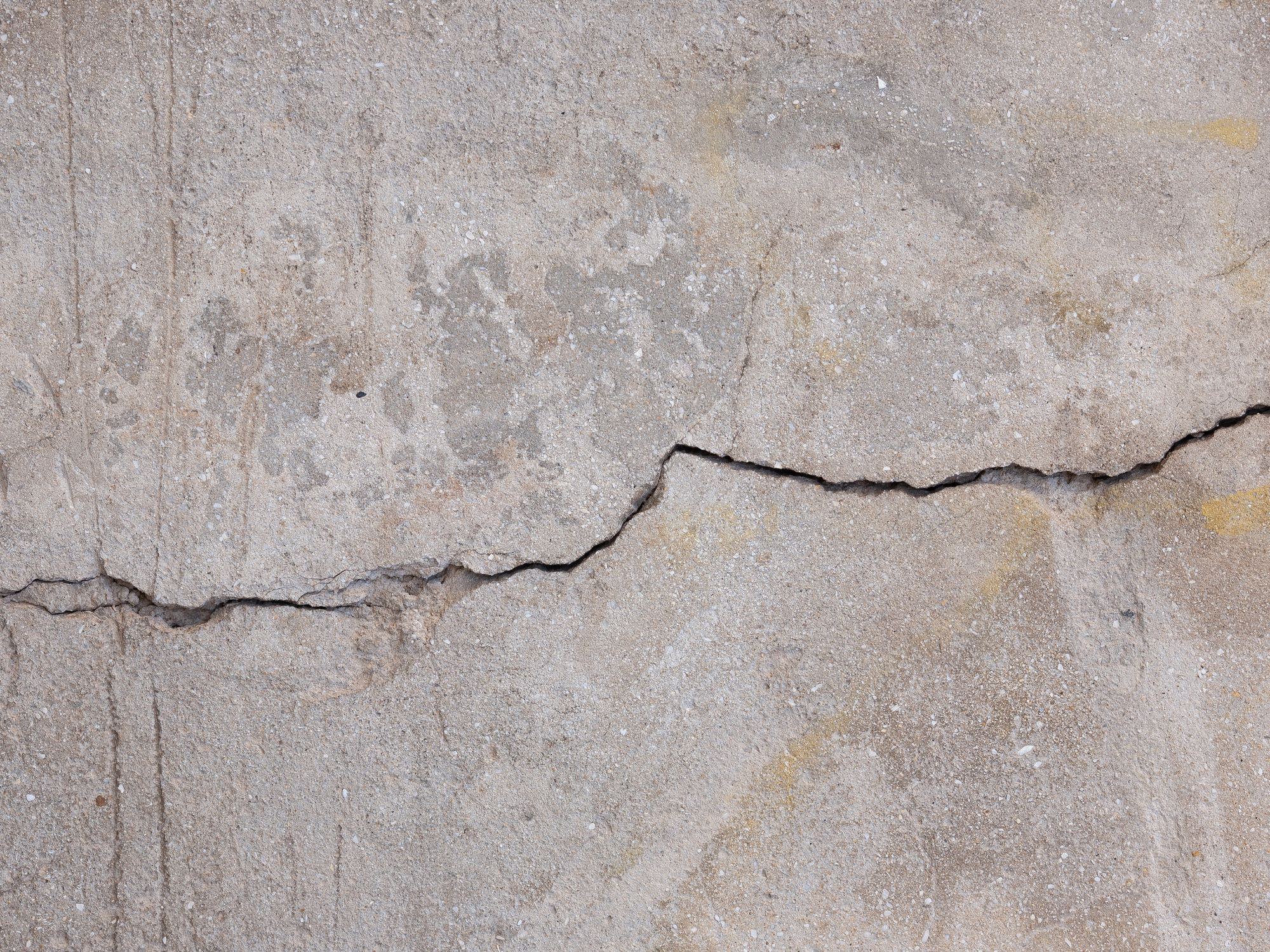
When someone tells you to keep an eye on a crack, the first job is fixing a reference point. Take a sharp pencil and draw a short line across the crack at its widest part. Do the same near the top and bottom. These marks let you see whether the gap has grown since you last looked.
If you want to measure a crack in plaster with more precision, buy a cheap plastic crack width gauge. A crack width gauge is simple to use: hold it flat against the wall and slide the printed lines over the gap until one matches. Write that number down immediately. Do not rely on memory.
The ground beneath Huddersfield homes shifts between millstone grit and clay, and that seasonal change affects walls differently. Marking the exact spot means you are comparing the same place each time, rather than guessing whether a nearby hairline fracture is new. Read more about the [millstone grit and clay ground under Huddersfield homes](/news/millstone-grit-and-clay-ground-under-huddersfield-homes) to understand why local soil behaves this way.
What to write down and how often to check
A record of wall movement diary needs three things every time you look: the date, the width at each pencil mark, and the weather. Note whether it has been raining heavily or if the ground is baked dry. Moisture changes drive most movement in Huddersfield, so context matters as much as the measurement itself.
Check once a week for the first month. After that, once every two weeks is usually enough unless something changes quickly. Always measure at roughly the same time of day. Temperature swings make materials expand and contract, so a morning reading taken in cold air might differ from an afternoon one.
Keep everything in one notebook or a single digital file. If you eventually need a [subsidence survey in Huddersfield](/subsidence-survey-huddersfield), handing over a neat chronological log saves time. The surveyor will see patterns that isolated numbers hide, such as movement that only happens after prolonged rain or during a dry spell.
Photographing a crack so the scale is clear
To photograph a crack for record purposes, put something of known size next to it before pressing the shutter. A coin, a ruler or a tape measure laid flat against the wall works well. Stand straight on rather than at an angle, so the image does not distort the width.
Take one wide shot showing where the crack sits on the wall, then a close-up showing the scale object clearly. Include the date in the filename or write it on a scrap of paper visible in the frame. Store these pictures together in a folder on your phone or computer.
Good photographs matter because they show texture and direction. A stepped crack following mortar joints looks very different from a vertical split through brick. Those patterns help a specialist decide whether the cause is shallow settlement or something deeper, like old mine workings beneath the street. See how [stepped cracks in brickwork](/what-you-can-see/stepped-cracks-brickwork-huddersfield) form and what the pattern typically points toward.
Inside, outside and when to stop watching
Always check both faces of the same wall. A crack visible inside might not show outside, or it might appear in a completely different position. Measuring only one side gives half the picture. If the outside is rendered, look for bulges or hollow spots where the render has detached from the masonry behind it.
So how many weeks of records does a specialist need before the readings mean anything? Most ask for at least eight to twelve weeks of monitoring. That covers enough weather cycles to separate normal thermal expansion from genuine structural movement. Shorter periods rarely prove a trend.
But there comes a point where watching is no longer the right move. If the crack gets bigger what next depends on speed and size. A gap opening several millimetres in a few days, doors jamming shut, or floors sloping noticeably all mean you should stop measuring and arrange a visit. A [structural monitoring](/structural-monitoring-huddersfield) specialist can install precise gauges that track movement continuously, taking the guesswork out of your weekly checks.
What the measurements actually point to
The same crack width can mean different things depending on where it sits, which direction it travels, and how fast it opened up.
- Hairline crack staying under 1mm
- A reading under one millimetre often points to seasonal plaster shrinkage rather than foundation movement. Keeping a written record for eight weeks and seeing stable measurements usually settles the question without further investigation.
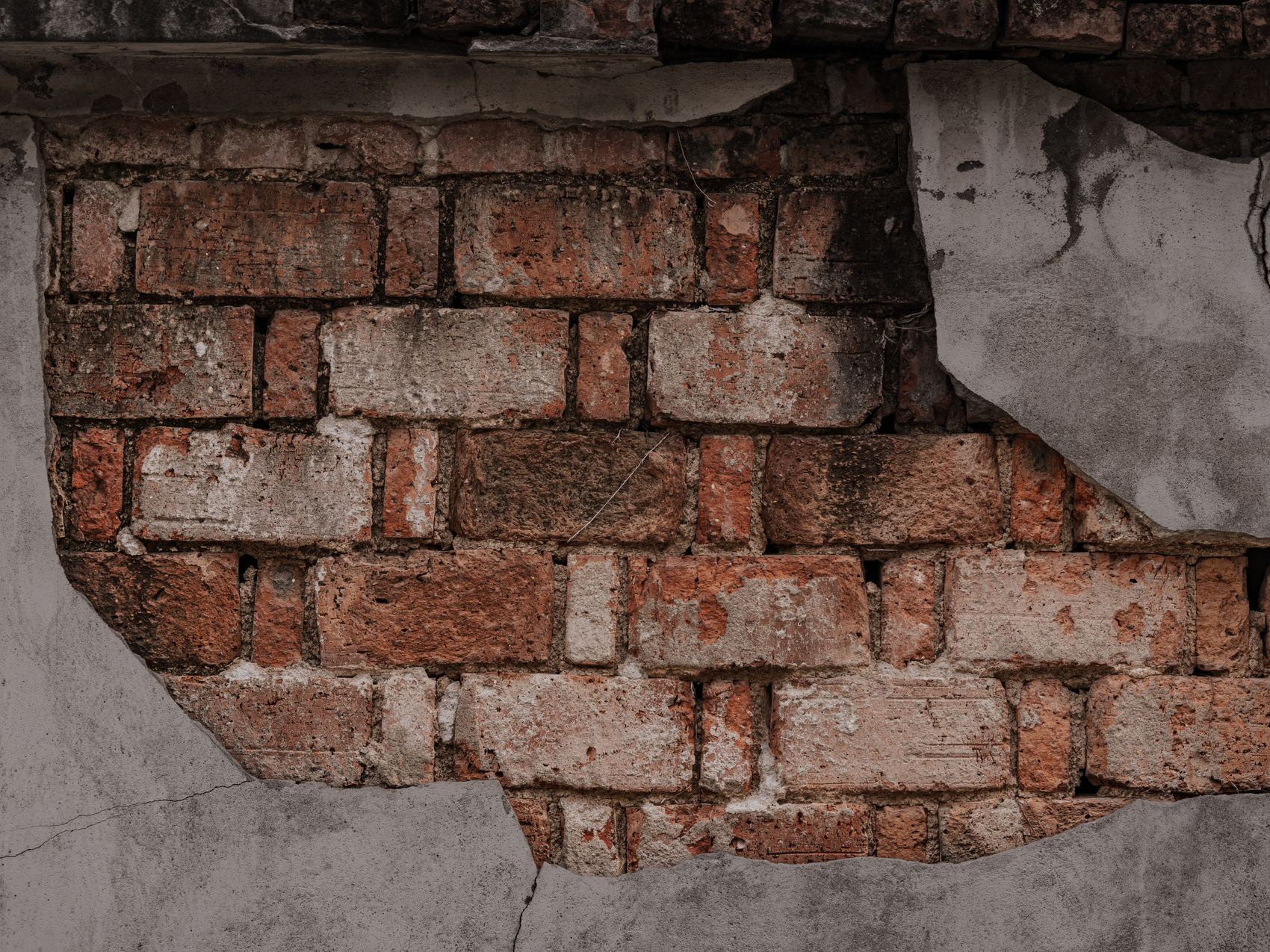
- Stepped crack along mortar joints
- Typically differential settlement. A subsidence survey establishes whether the ground beneath is still moving or settled long ago.
- Gap widening past 3mm quickly
- A widening of several millimetres over a few weeks suggests active ground movement that needs professional attention. A structural survey would settle what is happening below the foundations and determine whether repair work is required.
- Crack appearing after a dry summer
- Huddersfield sits on clay that shrinks in dry weather, so cracks often open slightly in summer. Checking whether the gap closes when autumn rain returns helps a specialist distinguish seasonal movement from something more serious.
Questions about keeping a crack record
Is a change of a millimetre over winter something to act on?
A single millimetre over several months is often just thermal movement, especially in older Huddersfield houses. Log it and keep checking. Act only if the rate accelerates or other signs appear, like sticking windows.
Do my own notes count for an insurance claim?
Your diary supports a claim but insurers require a professional report. Hand your records to the surveyor; they add weight to the findings. See how [buildings insurance covers subsidence](/what-you-can-see/subsidence-and-your-policy) and what paperwork is involved.
Should I be measuring inside and outside the same wall?
Yes. Movement shows differently on each face. An internal plaster crack might correspond to a shifted lintel outside. Measure both to give a complete picture of what the wall is doing.
At what point do I stop watching and ring someone?
Stop when the crack grows several millimetres in a week, when doors start jamming, or when you feel anxious. You do not need permission to call. [Contact us about your home](/contact) and describe what you have measured so far.
Tell us what you have measured
Send your notes and photographs. We will read them and advise whether the next step is continued monitoring or a site visit. This enquiry does not commit you to any work or cost.
- No obligation
- Read by a person
- Local knowledge