Structural monitoring
Structural monitoring in Huddersfield
When a surveyor advises that movement must be watched before any repair is agreed, structural monitoring in Huddersfield records exactly what the ground and walls are doing. Find out how tell-tales, level surveys and reporting periods work on your home.
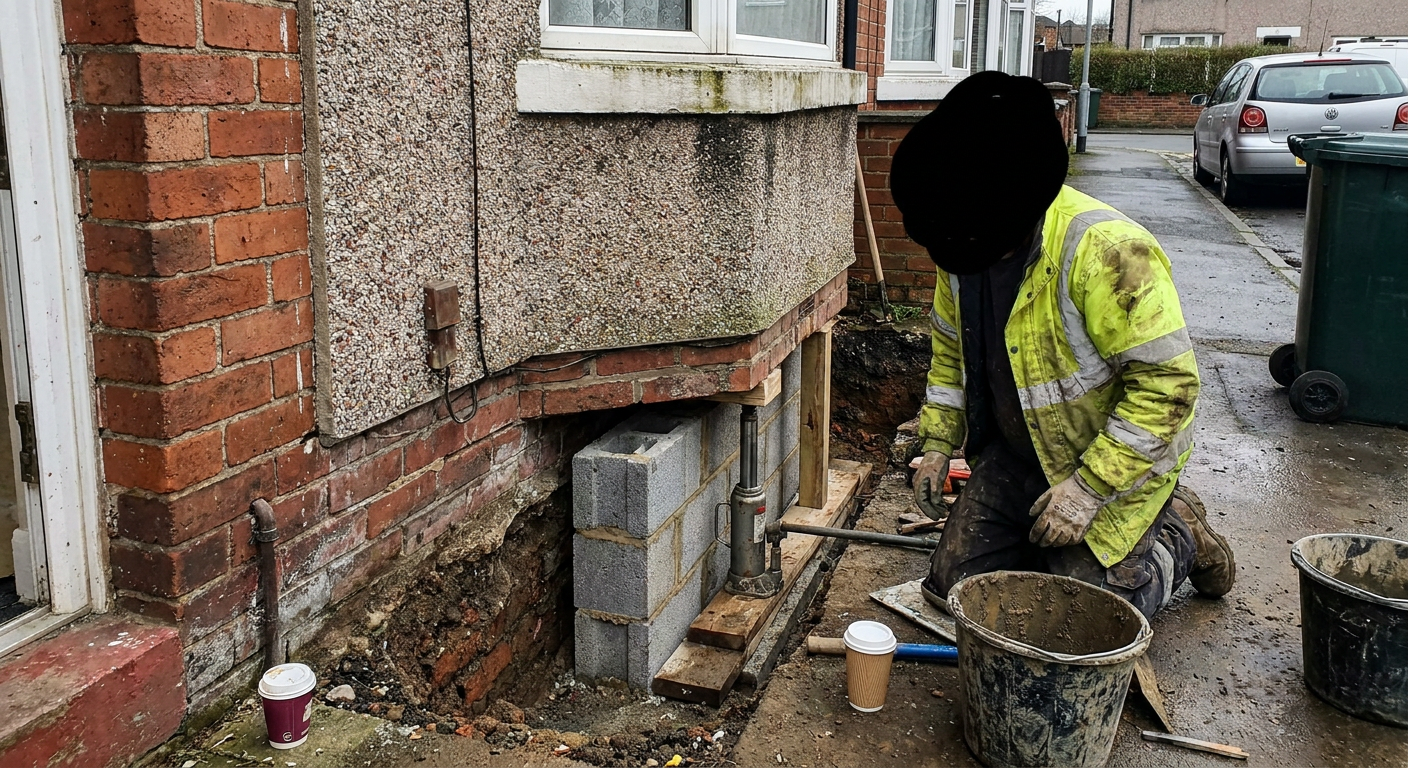
Tell-tales or a full level monitoring survey
Each method measures movement differently. The right choice depends on whether the concern is one crack or wider settlement across the house.
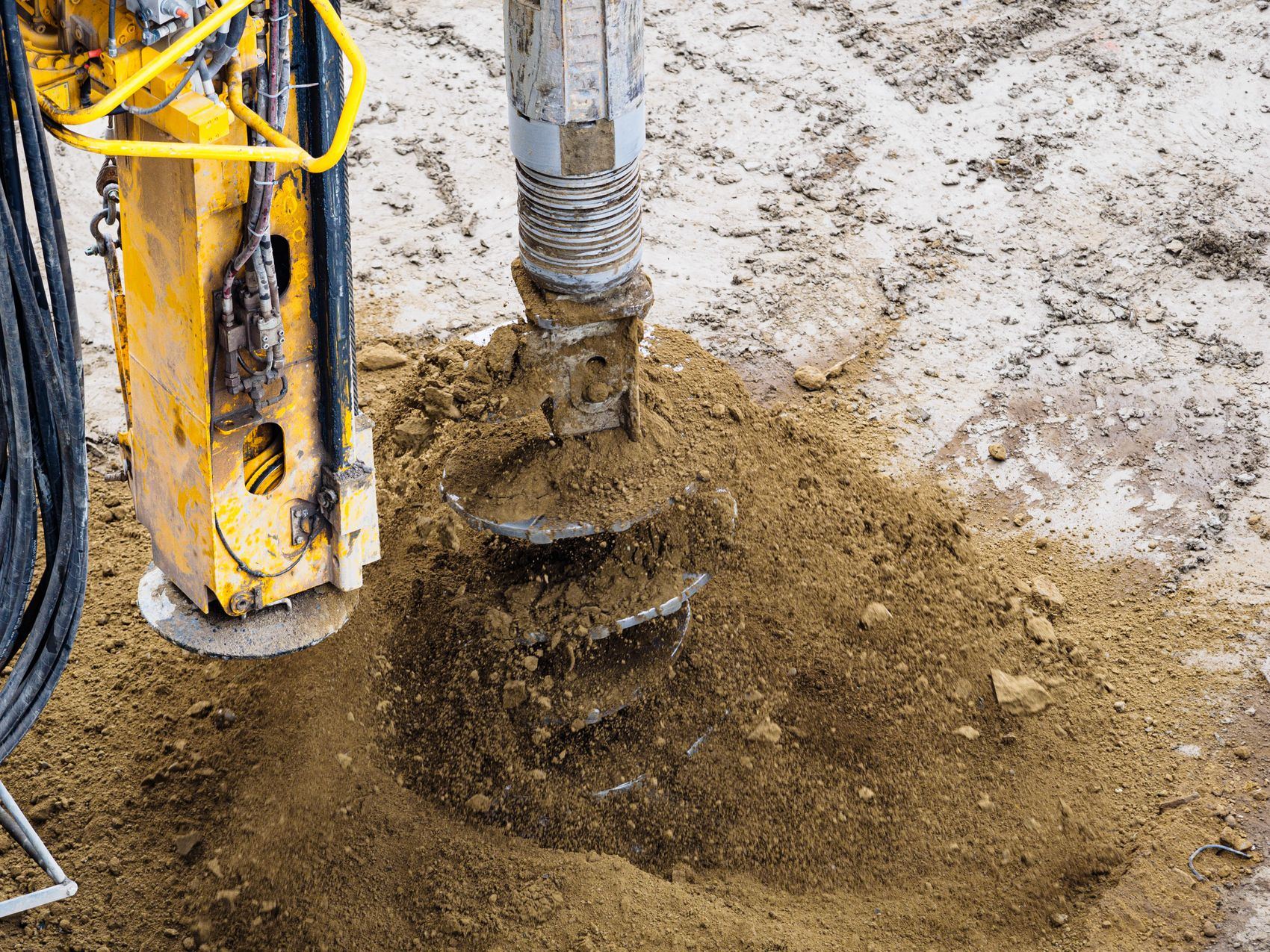
What it tracks
- Tell-tale gauges
- Width changes across a single crack using a tell tale gauge on wall
- Level monitoring survey
- Vertical levels at set points around the whole building perimeter
Where it sits
- Tell-tale gauges
- Fixed directly over the crack with adhesive pads or screws
- Level monitoring survey
- Readings taken from temporary pins or permanent markers in the ground
Best used for
- Tell-tale gauges
- Checking if one fracture is still opening or closing seasonally
- Level monitoring survey
- Establishing if the entire structure is tilting or settling unevenly
Reporting
- Tell-tale gauges
- Simple readings logged each visit to show direction of travel
- Level monitoring survey
- Detailed graphs plotting height changes against time and weather
A specialist will advise which method suits after inspecting the home.

Why monitoring before underpinning
Repairing a crack without knowing if the ground has stopped moving risks repeating the damage within months.
- Seasonal clay movement Clay shrinks in summer and swells in winter, so readings need both seasons.
- Drain leaks drying out A leaking pipe softens soil gradually, causing slow ongoing settlement below footings.
- Tree root influence Roots extract moisture from the ground, pulling foundations down unevenly over time.
- Old mine workings Shallow coal seams beneath parts of West Yorkshire can shift unpredictably years later.
The movement monitoring report
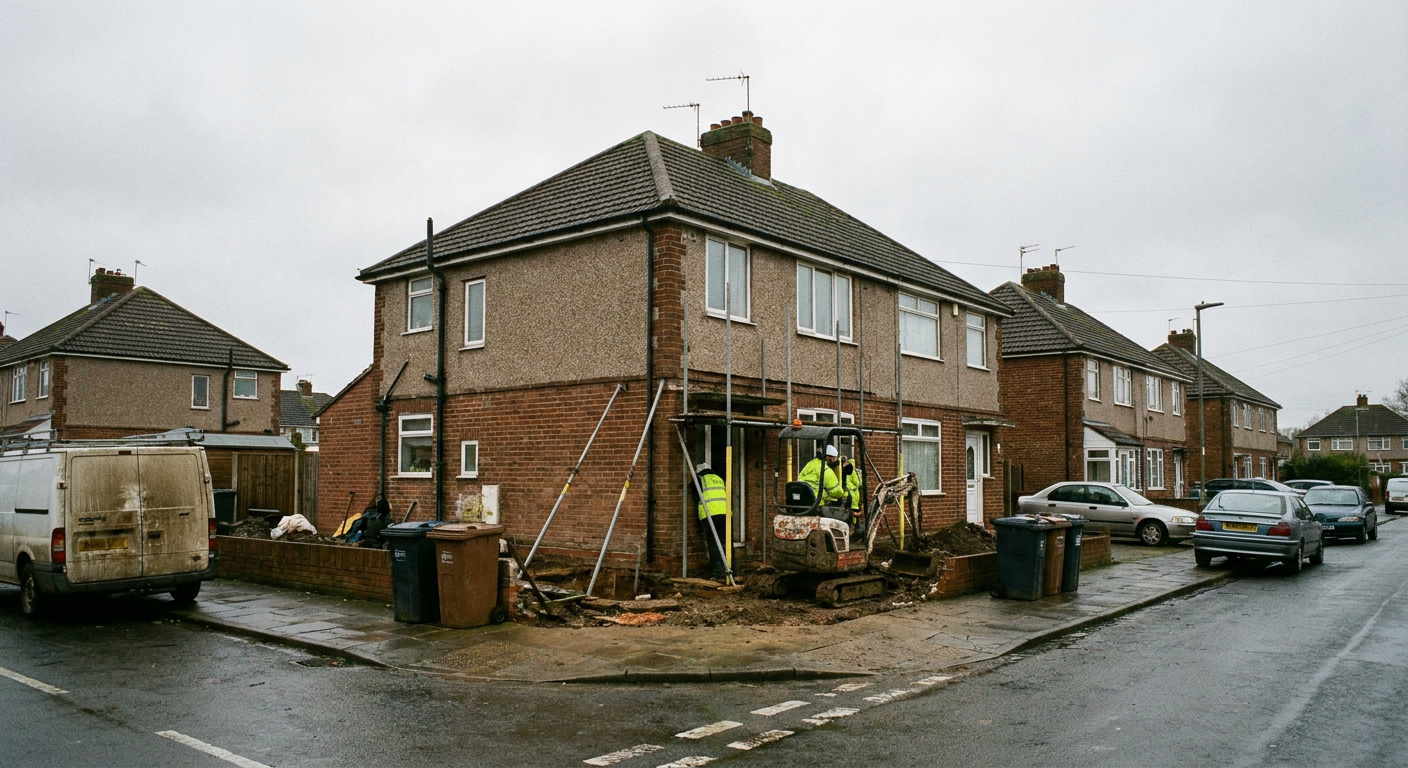
Every visit produces data. Over several months those readings build a record showing whether the home is stable, still sinking, or moving seasonally. That evidence dictates what happens next.
- Recorded measurements
- Each visit logs crack widths or level readings, creating a timeline that shows exactly when and where movement occurred.
- Weather correlation
- Rainfall and temperature data sit alongside the readings so seasonal shrinkage can be separated from genuine subsidence.
- Recommendation
- The final report states whether the ground has stabilised enough for crack repair or if underpinning is required.
Questions about watching movement in your home
- Why wait when the crack needs fixing?
- Repairing masonry while the ground still shifts means the new work cracks again. Monitoring proves the movement has stopped or identifies the true cause so the right fix is chosen first.
- How long does the period run?
- To understand how long to monitor a subsidence crack, expect twelve months minimum. The readings must cover a full summer and winter because clay shrinks and swells with the seasons.
- Do tell-tales actually prove anything?
- A tell-tale gauge on a wall records tiny width changes across a fracture. Over months these readings show whether the crack is active, dormant, or moving only with temperature changes.
- Who pays for the monitoring?
- If an insurer requested it, they usually fund the movement monitoring report cost. Arranging monitoring does not invalidate a claim; it provides the evidence the loss adjuster needs.
- Will equipment damage my stonework?
- Tell-tales use small adhesive pads or discrete screws. Level survey pins sit near ground level. Neither is prominent from the street, and removal leaves minimal marks on Pennine stone.
- What if the readings show no movement?
- Stability means crack repair can proceed safely. If deeper issues surface during the period, the specialist may recommend mass concrete underpinning or resin injection instead.
What shapes the cost of monitoring
The scope of work varies between a single tell-tale checked quarterly and a full level survey across multiple elevations visited monthly. Each home presents different access and ground conditions.
| What it depends on | Why it matters |
|---|---|
| Number of points tracked | More cracks or level pins mean longer site visits and more data to process into the final report. |
| Visit frequency | Monthly checks generate finer detail than quarterly ones but require more trips to the home. |
| Access and terrain | Steep gardens or restricted alleyways common in Huddersfield terraces slow the surveyor down. |
| Duration of the period | A full year of seasonal readings costs more than a short six month check. |
The specialist explains the cost of the particular job before anything is agreed.
Towns covered around Huddersfield
Specialist firms arrange structural monitoring across Huddersfield and the surrounding towns. Enquiries are accepted from homes in Brighouse, Elland, Mirfield, Meltham, Honley, Rastrick, Clifton, Roberttown and Paddock, as well as the wider area.
If your town is not listed, send an enquiry to check availability nearby.
Arrange monitoring for your home
Send details of the crack or movement you have noticed. The enquiry goes to a specialist firm who will explain what is needed. Submitting this form does not commit you to any work or payment.
- No obligation to proceed
- Local specialists only
- Clear next steps