Guide
Underpinning and mortgages: selling or remortgaging
Lenders, buyers and valuers all ask questions when a home has been underpinned. Find out what they look for, which paperwork matters, and how the work affects a sale or a new mortgage offer.

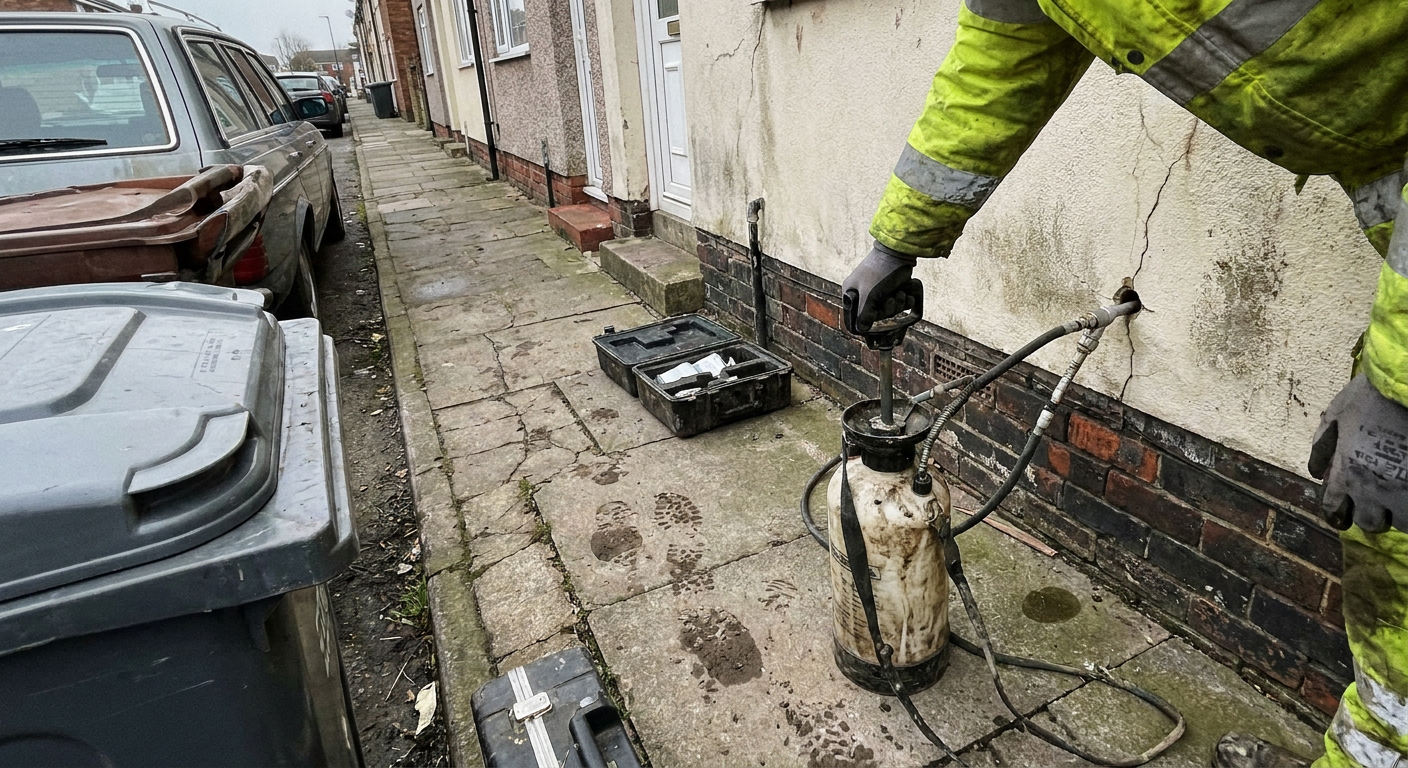
Why lenders ask about underpinning
A mortgage lender wants to know the building securing their loan is stable. When a valuation survey mentions subsidence repair, the lender will pause and ask for more detail before approving the funds.
They are not rejecting the home outright. They want proof that the ground movement stopped and that the repair was done properly. A specialist firm carrying out a <a href="/subsidence-survey-huddersfield">subsidence survey</a> produces the report that answers those questions. The surveyor examines the foundations, checks the walls and records whether any movement is still happening.
If the lender sees a clear history of the problem and a documented repair, they usually proceed. If the paperwork is missing or vague, they may hold back the offer until someone provides it. This applies equally to a remortgage on a home you already live in and a purchase where you are the buyer.
What buyers look for before exchanging contracts
A buyer seeing fresh plaster over old cracks will wonder what happened underneath. Their solicitor will raise enquiries asking who did the work, when it was finished and whether building control signed it off.
The type of repair matters too. <a href="/mass-concrete-underpinning-huddersfield">Mass concrete underpinning</a> is a traditional method that most buyers and their surveyors recognise. In tighter spaces, such as terraced streets around Huddersfield, a specialist might have used <a href="/mini-piled-underpinning-huddersfield">mini piled underpinning</a> instead. Both are accepted methods, but the buyer needs to see the specification so they understand what supports the house now.
If the previous owner dealt with the subsidence through their insurer, the buyer will want to know whether the policy can be transferred or if a new one is available. Without that continuity, some buyers walk away because they cannot get cover themselves.
Paperwork that keeps a sale moving
The single most useful document is the final report from the contractor who did the work. It should state the cause of the movement, the method chosen and the depth reached. For example, understanding <a href="/news/how-deep-does-underpinning-go-pin-depths-and-bases">how deep underpinning goes</a> helps a valuer confirm the new foundation sits below the unstable ground.
Building control approval is another requirement. A local authority inspector or an approved inspector must check the excavation and the concrete pour. Without that certificate, the work has no official record, and a lender will treat the home as though nothing was done.
If the house needed <a href="/crack-repair-huddersfield">crack repair</a> after the ground was stabilised, keep those invoices too. They show the sequence: first the foundation was fixed, then the visible damage was made good. That order proves the underlying problem was addressed before cosmetic repairs started.
When monitoring is still in place
Sometimes the repair is finished but the engineer wants to watch the building for a while longer. <a href="/structural-monitoring-huddersfield">Structural monitoring</a> uses small gauges fixed across cracks or on walls to measure tiny changes over months.
A buyer or a lender seeing active monitoring will ask whether the house is still moving. The answer is usually that the monitoring is a precaution, confirming the repair worked rather than suggesting it failed. The specialist firm reading the gauges can provide a letter explaining the readings and the expected end date for the monitoring period.
If the readings show no further movement, that letter becomes part of the paperwork pack. It reassures everyone that the ground beneath the home has settled and the structure is behaving as it should.
Insurance and ongoing cover for the home
Subsidence claims stay on a home's insurance record. When you sell, the buyer's insurer will see that history and may charge a higher premium or impose a larger excess for future subsidence claims.
Some insurers specialise in homes with past movement. Having the full file ready, including the original claim details, the <a href="/foundation-repair-huddersfield">foundation repair</a> specification and the completion certificate, makes it easier for them to quote. A buyer armed with that file can approach several brokers rather than relying on a single standard insurer who might decline the risk.
Check whether the existing buildings policy covers the repaired area going forward. Understanding <a href="/what-you-can-see/subsidence-and-your-policy">what buildings insurance covers</a> prevents a gap where the new owner assumes protection exists but the wording excludes previously affected parts of the structure.
Ask about your home's paperwork
Send a description of the work done to your home. You will receive guidance on which documents a lender or buyer is likely to request next. There is no obligation to proceed with anything.
- No commitment required
- Plain advice given
- Local knowledge