Guide
Underpinning a stone built Pennine house and footings
A stone built Pennine house often sits on shallow rubble footings. Cracks in gritstone walls deserve a careful look before repair. Find out why the ground beneath these older homes behaves differently, what movement means for the masonry, and how specialist firms stabilise them.
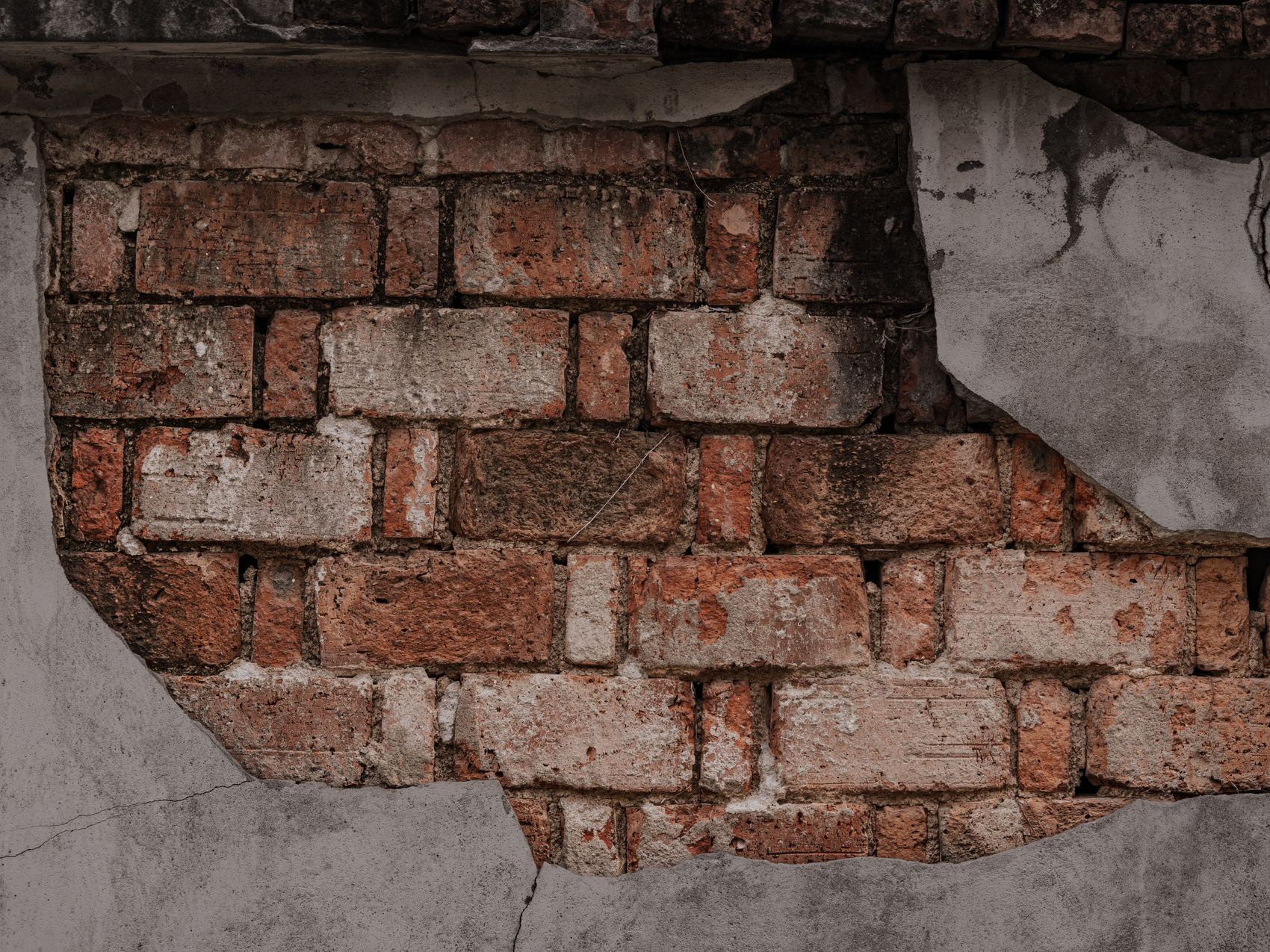
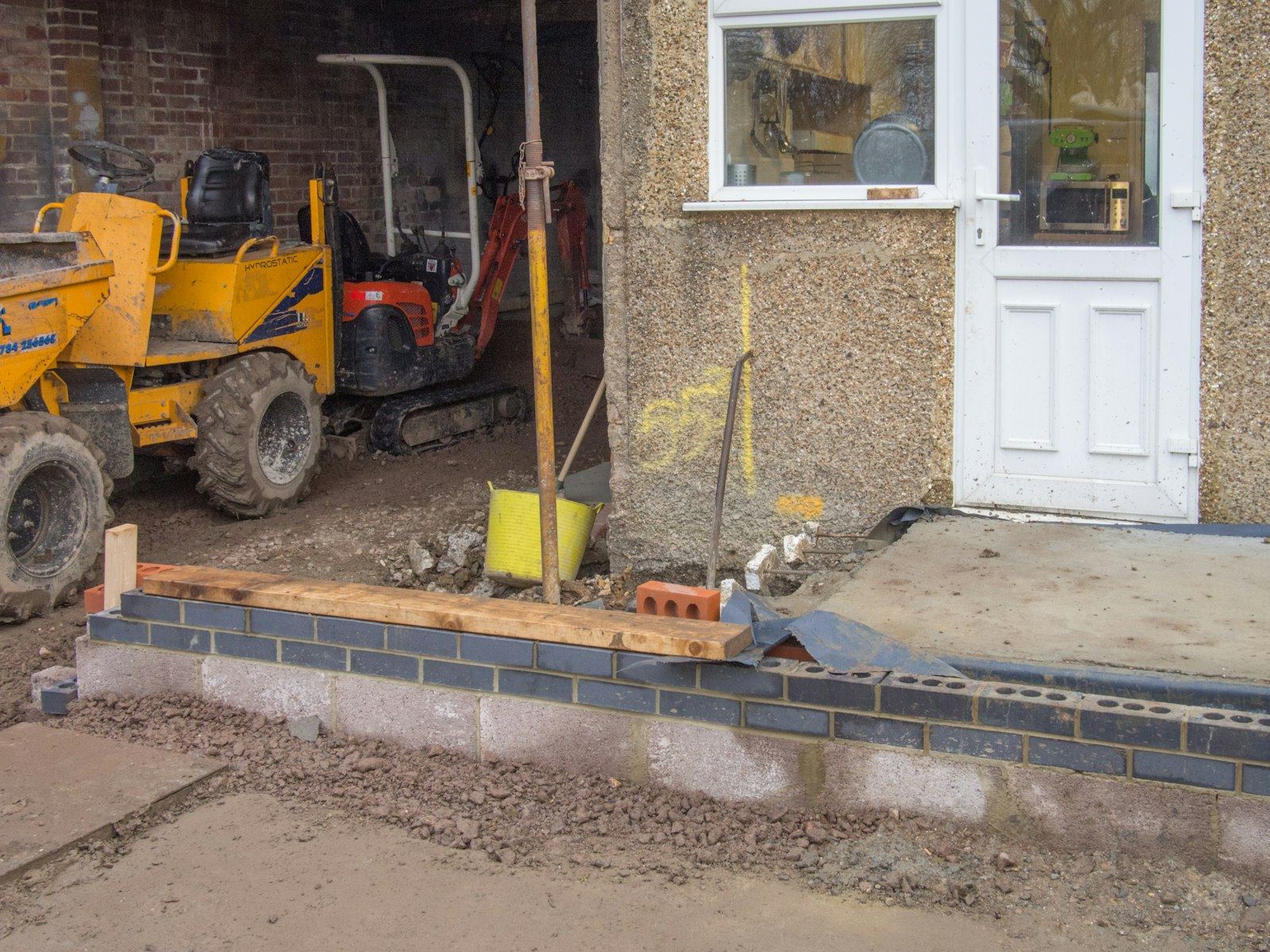
Shallow rubble footings under gritstone walls
Pennine houses around Huddersfield were built from local millstone grit, with thick stone walls sitting directly on narrow trenches filled with loose rubble. These footings spread the weight of the building across the top layer of soil. They worked well enough when the ground stayed still, but they offer very little resistance when the earth below shifts.
Because the rubble is shallow, any change in moisture or load transfers straight into the stonework. A dry summer can shrink the clay underneath, while a leaking drain washes fine particles away. The wall above has no deep foundation to hold it steady. When you notice a crack running through the mortar joints of a gritstone house, the problem usually starts at this shallow base rather than in the stone itself.
Understanding how the ground behaves under these specific conditions matters. The [millstone grit and clay ground](/news/millstone-grit-and-clay-ground-under-huddersfield-homes) found across the region dictates what kind of support a failing footing needs.
Reading cracks in stone masonry
Cracks in a brick house tend to follow the mortar lines in neat steps. Stone masonry behaves differently. Gritstone blocks vary in size, so a fracture might run diagonally through the mortar or split a stone outright. The pattern tells a specialist firm where the footing has dropped and how far the movement has travelled.
Before anyone suggests a fix, the damage needs measuring over time. A single crack spotted after a dry spell might close up again when the rain returns. Tracking that movement separates seasonal shifting from progressive failure. You can [measure a crack week by week](/what-you-can-see/measuring-a-crack) using simple tools to see whether it is widening or staying put.
If doors start sticking or frames pull away from the plaster, the distortion has reached the openings. An [out-of-square door frame](/what-you-can-see/doors-and-windows-out-of-square) confirms the wall is twisting as well as dropping. That combination points toward a footing that has lost its bearing capacity entirely.
Surveying the ground beneath an old house
Guesswork costs money. A specialist firm begins with a [subsidence survey](/subsidence-survey-huddersfield) to establish exactly what lies beneath the rubble trench. Trial holes dug beside the wall reveal the depth of the original footing, the type of soil it rests on, and whether water has washed material away.
The survey also checks for voids. Parts of Huddersfield sit above old workings, and a cavity left by mining or quarrying will eventually collapse under the weight of a house. Identifying [old coal and quarry workings](/what-you-can-see/old-coal-and-quarry-workings) early changes the entire approach to stabilisation.
Once the cause is clear, the specialist decides whether the house needs immediate intervention or a period of observation. Sometimes installing [structural monitoring](/structural-monitoring-huddersfield) equipment for a few months provides the data needed to choose the right method without over-engineering the repair.
Choosing how to support a stone house
The method depends on access, soil depth, and the weight of the masonry. Where space allows, a specialist firm digs out sections of the failed rubble trench and pours new concrete bases. This [mass concrete underpinning](/mass-concrete-underpinning-huddersfield) extends the footing down to stable ground, working in short bays so the wall never loses all its support at once.
Tighter sites, such as terraced rows with narrow yards, need a different approach. Driven or bored piles bypass the weak upper layers entirely. [Mini piled underpinning](/mini-piled-underpinning-huddersfield) uses small rigs that fit through standard doorways or side passages, transferring the load of the gritstone walls to deeper strata.
In some cases, injecting resin into the soil compresses loose ground and fills small voids without excavation. [Resin injection](/resin-injection-huddersfield) suits situations where the footing has settled slightly but the rubble trench remains mostly intact. The specialist firm selects the technique that matches the ground conditions revealed by the survey.
Repairing the masonry after stabilisation
Supporting the footing stops further movement, but the cracked stonework still needs attention. Repointing alone hides the symptom without addressing the stress locked inside the wall. A specialist firm uses [crack repair](/crack-repair-huddersfield) methods designed for heavy masonry, stitching fractures with stainless steel bars set into the mortar joints.
If floors have dropped or sloped during the subsidence, the internal structure may require separate work. Correcting [sloping floors](/what-you-can-see/sloping-floors) often involves lifting joists or packing bearings once the external walls are stable. Each element of the house responds to the repaired footing at its own pace.
Building control must approve structural alterations. The rules around [building control approval for underpinning](/news/building-control-approval-for-underpinning-in-huddersfield) apply fully to older stone houses, and the specialist firm handles the paperwork alongside the physical work. Keeping records of the survey, the chosen method, and the completion certificate protects the value of the home later.
Ask about movement in your stone house
Send details of the cracks or sticking doors you have noticed. Someone will read what you describe and reply with what to check next. There is no obligation to book work.
- No obligation
- Local knowledge
- Plain advice